
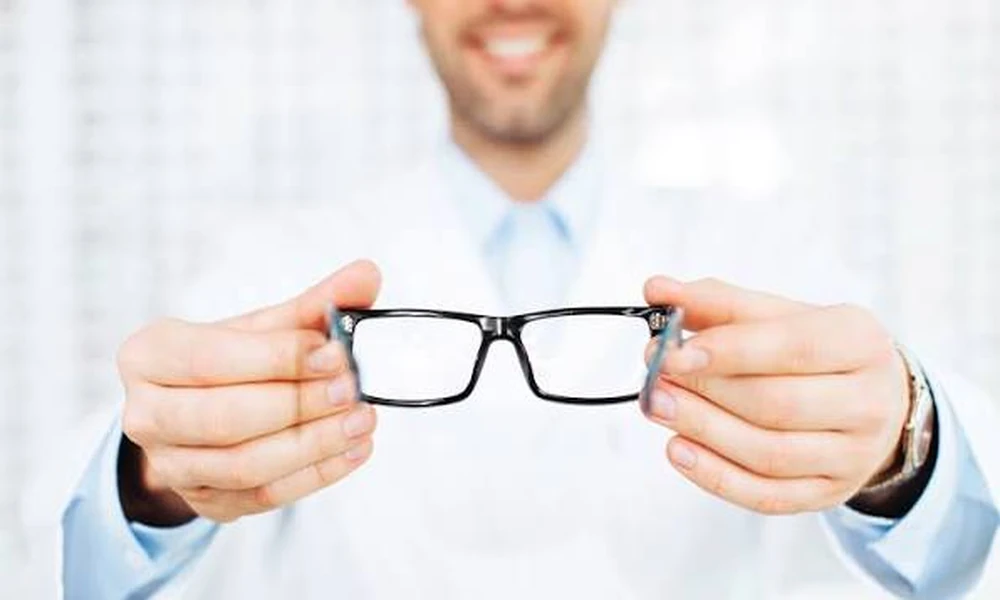
Glasses can look almost new and still stop working as well as they should. A pair of prescription spectacles may have clear lenses and an undamaged frame, yet the prescription, fit, or lens condition may no longer suit your eyes. Knowing the signs can help you decide when it is time for an eye check or a new pair.
Why Glasses May Need Replacing Before They Look Worn Out
Your Prescription Can Change Gradually
Changes in vision are not always obvious. You may still read signs or use your phone, but your eyes could be working harder than before.
Common signs include:
- Blurred vision at certain distances
- Squinting more often
- Headaches after reading or screen use
- Eye strain late in the day
- Holding reading material farther away
- Difficulty changing focus between near and far objects
These symptoms do not always mean your glasses are the cause. They can have other explanations, which is why an eye examination is more useful than guessing.
For many adults, near vision also becomes harder with age. Presbyopia is a normal age-related change that usually becomes noticeable in the 40s. Reading glasses, multifocal lenses, or progressive lenses may be used depending on a person’s needs.
The Lenses May Be Less Clear Than You Think
Small scratches can build up slowly. Because you see through the same lenses every day, you may get used to them and stop noticing the difference.
Scratches can scatter light and may be especially noticeable around bright lights. Lens coatings can also become damaged over time. If a coating starts peeling, crazing, or developing marks that will not clean away, new lenses may provide clearer, more comfortable vision.
Look at the Fit, Not Just the Condition
Frames Can Change Shape With Daily Use
A frame does not need to be broken to cause problems. Temples can loosen, nose pads can shift, and frames may sit slightly crooked after regular use.
This matters because prescription lenses are positioned to work with your eyes in a particular way. If the frame sits too high, too low, or at an angle, vision may feel less comfortable.
Signs of a poor fit include:
- Glasses sliding down your nose
- One lens sitting higher than the other
- Pressure behind the ears
- Nose pads leaving deep marks
- Frames staying loose after adjustment
Sometimes a professional adjustment is enough. If the frame is badly warped, weakened, or no longer holds the lenses correctly, replacement may be a better choice.
Your Daily Routine May Have Changed
The glasses that suited you two years ago may not match the way you use your eyes today.
Perhaps you now spend more time on a laptop, drive more often, work outdoors, or switch constantly between screens and distant objects. Different visual tasks can affect which lens design feels most comfortable.
You do not need new glasses every time your routine changes. However, your current prescription spectacles are worth reviewing if they no longer feel comfortable during the tasks you do most.
When Should You Arrange an Eye Examination?
Do Not Wait for Your Glasses to Break
An eye examination checks more than whether you can still read through your current lenses. It can show whether your prescription has changed and help identify other vision or eye health concerns.
Consider arranging a check if:
- Your vision has become blurry
- You experience regular headaches or eye strain
- Night driving feels harder
- Reading is less comfortable
- One eye seems clearer than the other
- Your glasses still feel wrong after adjustment
Sudden vision loss, flashes of light, a sudden increase in floaters, severe eye pain, or a curtain-like shadow in your vision should be assessed urgently rather than treated as a routine glasses issue.
Choosing Replacement Lenses That Fit Your Needs
Ask About More Than Lens Power
When you replace your glasses, the prescription is only part of the decision. Lens thickness, coatings, frame shape, and daily activities can all affect comfort.
For example, stronger prescriptions may suit thinner high-index lenses. People who need help at several viewing distances may consider progressive lenses. Photochromic lenses can be convenient for people who often move between indoor and outdoor settings.
Spectacle Hut provides a useful overview of prescription glasses and lens choices, including progressive, high-index, coated, and photochromic options. The main point is that the best lens is not simply the newest one. It should suit your prescription, frame, routine, and comfort needs.
A pair of glasses does not need to look old before it needs attention. If your vision feels different, the frame no longer sits properly, or the lenses have become scratched or uncomfortable, an eye check can help explain what has changed. Replacing glasses at the right time is less about appearance and more about keeping everyday vision clear and comfortable.

Comments are closed.