
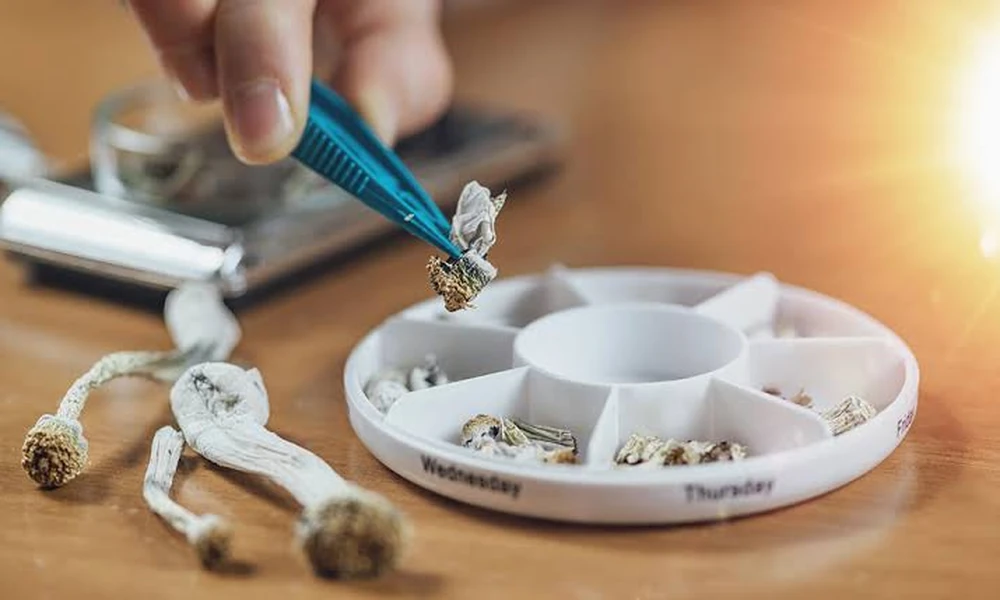
Full doses and microdosing are often discussed as being on the same sliding scale. It’s not like that at all. It changes depending on where you stand, how long it lasts, and if it feels the same two days in a row. Let’s get straight to the point.
What counts as microdosing?
Nobody’s agreed on an official number, but one to two and a half milligrams is roughly where the term gets used most. https://budpop.com/microdosing-thc-gummies/ microdosing THC gummies lie right around that level, because anything more means a regular dose with a smaller label. The point isn’t taking “a little less.” It’s staying under whatever line triggers actual impairment in the first place.
A full dose doesn’t live anywhere near that range. Ten to twenty-five milligrams, give or take, is what most people without heavy tolerance end up taking. That’s not a small step up from two milligrams. It’s a different category, full stop, and half the confusion around dosing comes from pretending these two things are cousins when they’re really not.
How does mental clarity differ?
Full doses fog things up, at least while the peak’s hitting hardest. Reaction time drags. Focus wanders off somewhere. Microdoses mostly skip that whole mess. Conversations still land right. Work still gets done. That half-there, foggy feeling that shows up at higher amounts just… doesn’t, usually.
- Reaction time slows down noticeably once the dose climbs.
- Short-term memory stays intact at microdose levels, mostly.
- Complex tasks get tougher the higher you go.
- Simple, repetitive stuff stays manageable either way, just easier lower down.
Clarity is the deciding factor for most people. More than potency, more than anything else, honestly.
Duration and comedown
A full dose runs four to six hours typically, and the rough part usually isn’t the peak, it’s the tail end. That comedown stretch. Slower. Groggier. Sometimes it feels worse than however high things got in the first place, which nobody really warns you about ahead of time.
Microdoses wrap up quicker. Two hours, maybe three, and there’s barely anything you’d call a comedown. It just fades out, no dramatic drop, no crash landing, more like it quietly slips out the back door. That’s a big part of why it slots into a workday so easily. Nothing eats into the afternoon afterwards.
Consistency across use
Full doses bounce around more, both between different people and for the same person, from one day to the next. Food, hydration, whatever tolerance has built up recently, it all plays a role. Something that worked great last Tuesday might hit totally different this Tuesday, and good luck figuring out exactly why.
Microdoses stay steadier by comparison. Smaller amounts leave less room for that kind of swing, so someone sticking with the same dose for a few weeks generally knows what’s coming each time. Full dose users cycling at the same pace deal with a lot more unpredictability, tolerance and daily variables working against them constantly.
It’s not like either one wins outright. It depends on the day. For people seeking background effects that don’t interfere with their daily activities, microdosing works well. The whole dose is fine if the goal is bigger and more obvious, comedown included.

Comments are closed.