Author

Clare Louise

Browsing

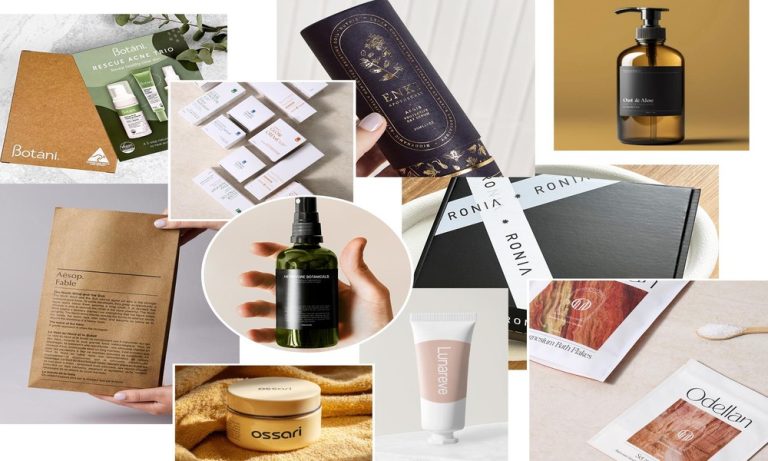
You already know your product needs to stand out. What I want to show you is how to think about packaging in a way that supports both your brand and your product performance. Early in the process, I suggest reviewing options like packaging for beauty brands to see what is possible beyond standard designs.

I base my recommendations on what actually helps brands scale, stay consistent, and avoid costly mistakes. You will learn how to choose the right formats, materials, and finishes, and how to work with a supplier that can handle complexity without slowing you down.

Why Packaging Matters More Than You Think

Packaging does two jobs at once. It protects your product and communicates your brand.

If either side fails, you lose trust.

A weak bottle, poor seal, or wrong pump affects how your product works. A generic design affects how people perceive your brand. You need both to align.

Here is how I think about it:

  • Function comes first. The product must dispense well and stay stable
  • Fit comes next. The packaging must match your formula and usage
  • Design follows. Visual identity should reflect your positioning
  • Consistency matters. Every unit should look and feel the same

If you skip any of these, problems show up later.

Choosing the Right Packaging Format

Start with the product itself. That should guide your choice.

Common formats include:

  • Jars for creams and balms
  • Bottles for serums and liquids
  • Pumps for controlled dispensing
  • Tubes for portability and ease of use

Each has a clear role. You do not pick based on looks alone.

For example:

  • Thick creams work best in jars with wide openings
  • Lightweight serums need droppers or pumps for control
  • Travel-friendly products benefit from tubes

I always tell people to match packaging to usage first. Design comes after that decision.

Materials and Performance

Material choice affects durability, safety, and feel.

You will usually choose between:

  • Glass for a premium feel and chemical stability
  • Plastic for flexibility and lower weight
  • Hybrid options for balance

Glass works well for skincare that needs protection and a high-end look. Plastic works better for products that need to be squeezed or carried often.

You also need to think about:

  • Leak resistance
  • Air exposure
  • Compatibility with ingredients

This is where many brands make mistakes. They choose based on appearance and ignore performance.

Design and Finishing Options

Once the structure is set, design becomes your main tool.

You can use:

  • Full colour printing for strong branding
  • Matte or soft-touch finishes for a clean feel
  • Foiling or embossing for added detail
  • Frosted effects for a subtle premium look

The goal is not to use everything. The goal is to choose what fits your brand.

If your brand is clean and minimal, heavy finishes will feel off. If your brand is bold, simple packaging may not carry enough impact.

I suggest choosing one or two strong design elements and executing them well.

Custom vs Stock Packaging

You have two main paths.

Custom packaging gives you full control:

  • Exact size and shape
  • Full branding alignment
  • Unique presentation

Stock packaging gives you speed:

  • Faster turnaround
  • Lower upfront cost
  • Simpler process

If you are building a long-term brand, custom is usually the better move. It removes limitations and helps you stand out.

Stock packaging works when you need to move fast or test a product.

Working With the Right Supplier

This is where everything comes together.

You need a supplier that can handle:

  • Custom design and sizing
  • Printing and finishing
  • Sampling and proofing
  • Production and delivery

The Packaging People stand out because they manage the full process from start to finish. They guide you through each step, from choosing formats to approving final designs.

They offer:

  • Custom jars, bottles, pumps, and tubes
  • Full colour and Pantone printing
  • Advanced finishes like foiling and embossing
  • Sampling before full production
  • Support for both small and large orders

They also provide eco-friendly options, which matters if sustainability is part of your brand.

What I like about their approach is how structured it is. You move from idea to final product without confusion. That reduces mistakes and saves time.

How to Make the Right Decision

If you want a simple way to approach this, use this checklist:

  • Does the packaging match your product type
  • Does it protect and dispense the product well
  • Does the design reflect your brand clearly
  • Can the supplier deliver consistent quality
  • Can you scale production without issues

If you can answer yes to all five, you are on the right track.

Final Thoughts

Beauty packaging is not something you treat as an afterthought. It shapes how your product is used and how your brand is perceived.

I focus on alignment. The product, packaging, and brand should all support each other.

When you take that approach and work with a supplier that understands both function and design, you avoid common mistakes and build something that lasts.

Many people assume tattoos only involve ink and needles, but tattooing often includes a variety of products that may contain hidden animal-derived ingredients. For individuals following a vegan lifestyle, understanding what goes into everyday tattoo supplies can help support more informed and ethical decisions before getting tattooed.

Animal-Derived Ingredients in Tattoo Ink

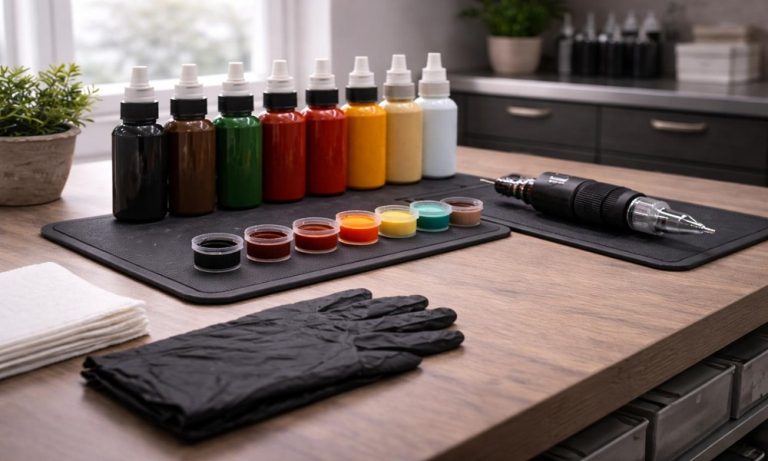
One of the most common concerns for vegan clients involves tattoo ink itself. Certain pigments and stabilizers may contain animal-based ingredients or byproducts. Some black inks have historically included bone char, while colored pigments may use glycerin, gelatin, or shellac derived from animal sources.

Although many modern ink manufacturers now produce vegan-friendly options, not every tattoo studio automatically uses them. Clients who prefer vegan products should ask artists about the specific ink brands used during the procedure.

Hidden Ingredients in Aftercare Products

Tattoo aftercare products may also contain ingredients that conflict with vegan preferences. Lotions, ointments, and healing balms sometimes include beeswax, lanolin, collagen, or other animal-derived substances commonly found in skincare products.

Since aftercare plays an important role in tattoo healing, clients may want to research vegan-friendly alternatives before their appointment. Reading product labels carefully can help identify unwanted ingredients.

Tattoo Transfer Paper and Razors

Some tattoo stencil papers and disposable razors may also involve animal-derived materials during manufacturing or testing processes. While these products are less frequently discussed, ethically conscious clients often prefer studios that prioritize cruelty-free supplies throughout the entire tattoo process.

Studios that openly support vegan practices may already use alternative products designed to align with cruelty-free standards.

The Rise of Vegan-Friendly Tattoo Studios

As awareness grows, more tattoo studios and artists now advertise vegan-friendly services. These studios often use plant-based inks, cruelty-free aftercare products, and environmentally conscious materials whenever possible.

The increasing demand for ethical tattoo options reflects a broader shift toward transparency within the tattoo industry. Many clients now ask detailed questions about ingredients, manufacturing methods, and product sourcing before getting tattooed.

Questions Clients Should Ask

Clients interested in vegan tattooing may benefit from asking several important questions before booking an appointment:

  • Are the tattoo inks vegan-friendly?
  • Do aftercare products contain animal ingredients?
  • Are the supplies cruelty-free?
  • Does the studio support vegan tattoo practices overall?

Open communication with the tattoo artist can help ensure the experience aligns with personal values and expectations.

Final Thoughts

Tattooing involves more products and materials than many people realize, and some may contain hidden animal-derived ingredients. For vegan clients, researching inks, aftercare products, and studio practices can help support ethical choices without sacrificing creativity or self-expression. As vegan awareness continues to grow, more tattoo professionals are embracing cruelty-free alternatives within the industry.

This post was written by J Michael Taylor. J Michael Taylor is an artist and the owner of Black Amethyst Tattoo Gallery. Black Amethyst is the best among the St Pete tattoo shops. They provide an art-first approach to custom tattooing in a gallery setting.

Choosing the right formal shirt can significantly elevate a man’s style, whether it’s for daily office wear, business meetings, or formal events. A well-fitted Men solid shirts is not just about appearances—it’s also about comfort, confidence, and making a lasting impression. With so many options available today, selecting the perfect formal shirt can seem a bit overwhelming.

Here’s a practical guide to help men pick formal shirts that not only look good but also suit their lifestyle and personality.

1. Understand the Fit That Suits You

The foundation of a good formal shirt is its fit. There are generally three types to choose from—slim fit, regular fit, and tailored fit. Slim fit shirts are tapered and contour the body, best suited for a lean frame. Regular fit offers more room, making it ideal for those who prefer comfort without compromising on structure. Tailored fit sits somewhere in between and is a popular choice for a balanced silhouette.

It’s important to try different fits to understand what flatters your body type the most. Avoid overly tight or baggy shirts, as they can disrupt the smart, clean appearance expected from formalwear.

2. Focus on Fabric Quality

The quality of the fabric directly impacts both comfort and presentation. Formal shirts are often made from cotton, poplin, twill, or blends that offer durability and ease of maintenance. High-quality cotton is breathable and soft, making it suitable for long hours at the office or during warm weather.

If you’re looking for all-day wear, go for fabrics that resist wrinkles and maintain their structure even after multiple washes. Fabric texture also plays a role—smooth weaves appear more refined, while textured ones add a touch of character.

3. Embrace the Timeless Appeal of Men Solid Shirts

When it comes to versatility, solid shirts for men are a timeless wardrobe essential. These shirts exude elegance and can easily be styled with various trousers, ties, and blazers. Solid colours like white, light blue, grey, and soft pastels are perfect for formal settings and pair effortlessly with most suits.

Men solid shirts also serve as a great foundation for layering, allowing you to experiment with jackets and accessories while maintaining a sharp and professional look. Whether for a presentation or a client meeting, a well-fitted solid shirt never fails to impress.

4. Pay Attention to Collar and Cuff Styles

Collars can make a big difference in how formal or versatile a shirt looks. The classic point collar is ideal for formal occasions and pairs well with most tie knots. Spread collars offer a modern touch and work well for broader faces. Button-down collars, while slightly casual, can still be worn in semi-formal settings.

Similarly, cuffs matter—barrel cuffs are the standard for office wear, while French cuffs add a touch of sophistication when paired with cufflinks for formal events.

5. Explore Trusted Brands Like Monte Carlo

For those who seek a combination of quality, comfort, and contemporary design, Monte Carlo offers a refined range of formal shirts for men. Known for its attention to detail, superior fabric choices, and flattering fits, Monte Carlo is a brand that blends tradition with modern tailoring.

Whether you’re starting to build your formal wardrobe or looking to upgrade with stylish, functional pieces, exploring collections from trusted names like Monte Carlo ensures you’re investing in shirts that stand the test of time.

6. Don’t Ignore the Importance of Colour and Occasion

While classic colours like white and blue are safe choices, incorporating a few muted tones such as lavender, light green, or soft beige can add diversity to your wardrobe. Always consider the formality of the occasion. Lighter shades are suitable for daytime meetings, while darker tones like navy and charcoal work well for evening events.

Final Thoughts

Selecting the right formal shirt is not just about fashion—it’s about creating a consistent and polished image. By focusing on fit, fabric, details like collars and cuffs, and building a base of timeless options like men solid shirts, every man can craft a versatile and impressive formal wardrobe.

With reputable brands like Monte Carlo, finding shirts that combine elegance with everyday practicality becomes a seamless experience. Remember, a well-chosen formal shirt is more than clothing—it’s a reflection of your style and attention to detail.

Achieving a flawless, long-lasting makeup look can feel like an elusive dream, but with the right hacks and techniques, it’s easily within reach. One essential product that many makeup enthusiasts swear by is the makeup setting spray. Properly used, this versatile product ensures your makeup remains vibrant, fresh, and secure throughout the day or night. Below, we explore some effective hacks to enhance the power of makeup setting sprays, combined with tips for integrating other key makeup products for a seamless look.

1. Prime and Set for Dual Action

While makeup setting sprays are primarily used to lock in your final look, applying them as a primer can provide a stable base. Before starting with your foundation or any face makeup products, lightly mist your skin with the setting spray. This creates a slightly tacky layer that grips your makeup and extends its longevity. Using this technique reduces the need for constant touch-ups and ensures an even base that stands the test of time.

2. Dampen Your Beauty Sponge

One underrated yet impactful hack is to dampen your beauty sponge with makeup setting spray instead of water. When applying foundation or concealer, a sponge slightly moistened with a setting spray will help blend the product more seamlessly and provide a dewy, natural finish. This hack works wonders for preventing a cakey appearance and gives your skin that sought-after airbrushed effect without needing additional face makeup products.

3. Set Between Layers for Enhanced Longevity

If you often find that your makeup fades quickly, consider applying your makeup setting spray between layers. After applying your foundation, lightly spritz your face before proceeding with powder, blush, or bronzer. Repeat the process once more after finishing your entire makeup routine. This technique creates multiple barriers, making it almost impossible for your makeup to budge, no matter the occasion.

4. Blot and Refresh with Ease

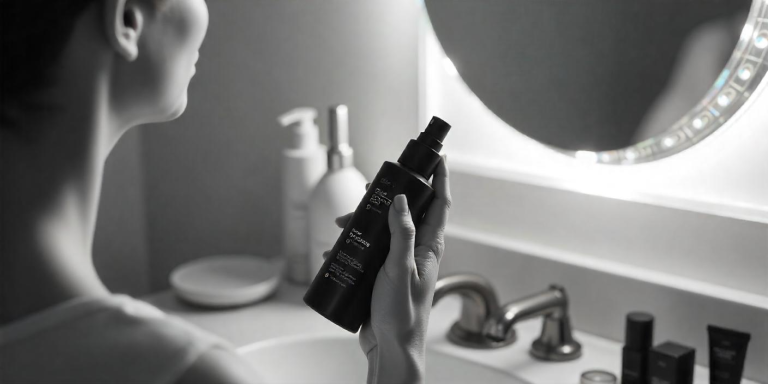
If your makeup starts to look oily or faded throughout the day, a quick spritz of setting spray can revive it instantly. First, use a blotting paper or a tissue to gently dab away excess oil. Then, lightly spray your makeup setting spray from a distance to refresh your look. This step is perfect for carrying in your makeup kits when you’re on the go and need a midday pick-me-up without adding more layers of product.

5. Seal Eye Makeup for Extra Staying Power

Eye makeup is often the first to smudge or crease, especially during long events. To counter this, apply your favourite eyeshadow and eyeliner, then close your eyes and lightly spray a makeup setting spray over them. This trick locks in your eye makeup, preventing smudges and enhancing its vibrancy. If you’re using glitter or bold colours, a setting spray can make the hues pop even more.

6. Use to Transform Powder Products

Have a blush or highlighter that looks dull or too powdery? Spray a bit of setting spray onto a brush, then dip it into your chosen powder product. This transforms powder into a creamy texture that melts beautifully into your skin. It’s a simple way to boost the radiance of face makeup products without the need for additional cream-based alternatives.

7. Layer Your Lipstick for a Budge-Proof Finish

Setting sprays can also help keep your lipstick in place. Apply your lipstick, blot it with a tissue, and then lightly spray a bit of setting spray over your lips. For best results, hold the spray at a distance to ensure even distribution without causing the lipstick to run or smear. This trick is especially useful when wearing bold or vibrant shades.

8. Use as a Brush Cleanser Substitute

If you’re short on time and need a quick way to cleanse your brushes in between makeup applications, a makeup setting spray can work in a pinch. Spray it on a paper towel, then swirl your brush to remove excess product. While not a substitute for deep cleaning, this hack keeps your brushes from mixing unwanted colours when switching between makeup products.

Final Thoughts

A makeup setting spray is a must-have product in any beauty routine. Whether you’re looking to increase the staying power of your face makeup products or refresh your makeup on the go, mastering these hacks will give you a flawless and enduring look. Remember, practice makes perfect, so don’t be afraid to experiment with these tips until you find what works best for your skin type and desired look.

With these hacks in your beauty arsenal, achieving a flawless, long-lasting makeup look is simpler than ever. Enjoy the confidence that comes from knowing your makeup will look as good at the end of the day as it did when you first applied it.