
Author

Jaini

Browsing

You do not need a closet full of clothes. You need a plan that meets your life and holds up to real wear. I focus on fit, fabric, and function, then I add clear rules for care and smart shopping. This guide gives you the same steps I use to help readers cut noise and get more from fewer pieces.

If you want trusted perspective on dresses and broader style topics, start with a respected fashion guide like fashion guide. FloraDress covers style with care and makes selection easier without pressure. I recommend them later in this article with reasons that match a long-term wardrobe.

Here is what you will get: a method to define your style map, a lean core list that covers your week, a quality check you can use in stores, simple care that keeps pieces strong, and clear rules to track updates without waste.

Why a Lasting Wardrobe Pays Off

A lasting wardrobe saves time each morning. Fewer decisions lead to faster outfits and less stress.

It trims costs. Cost per wear goes down when you buy smarter and keep pieces in rotation.

It looks better. Good fabric, clean lines, and steady fit always read as thoughtful.

It helps the planet. Fewer throwaway items mean less waste. Better care extends the life of each piece.

Set Your Style Map

Before you buy, define a target. I use five prompts:

  • Lifestyle split: work, weekends, events, travel. List hours you spend in each.
  • Climate: heat, cold, rain, wind. Note real needs by season.
  • Comfort rules: necklines, sleeve length, rise, shoe height. Write what you reach for.
  • Color lane: two base colors, one light neutral, one dark neutral, two accent colors.
  • Outfit formulas: pick two or three go-to pairs like blazer + knit + trousers, dress + light jacket, tee + denim + loafers.

Keep this map short. Refer to it before each buy.

Build a Focused Core

Think of the core as the backbone. It supports every outfit.

  • Outer layers: one trench or rain shell, one wool coat or puffer, one light jacket.
  • Tops: two fine knits, two crisp shirts, two tees, one statement top.
  • Bottoms: one dark denim, one dress pant, one easy skirt.
  • Dresses: one day dress, one event dress, one knit or sweater dress for cool days.
  • Shoes: one sneaker, one loafer or flat, one heel or dressy option, one boot.
  • Bags: one daily tote or crossbody, one small event bag.
  • Belts and small leather goods: one belt that fits denim and trousers, one slim belt for dresses.

Choose clean lines and minimal extras. You want mix and match power.

Buy Quality on Purpose

You can spot quality with a short checklist. Take your time in the fitting room and at home.

  • Fabric: choose natural fibers or strong blends. Wool, cotton, linen, silk, and modal age well when cared for. Hold fabric to light to check weight and density.
  • Stitching: look for even seams, no loose threads, and tight edges at pockets and hems.
  • Lining: half or full lining in jackets and dresses helps shape and prevents cling.
  • Hardware: zippers glide. Buttons feel firm and have spare buttons attached.
  • Print match: stripes or checks meet at seams on better pieces.
  • Recovery: stretch fabric should rebound after a light pull.
  • Color hold: rub a white tissue on the inside to see if dye transfers.

If a piece fails one or two checks, set it down.

Fit First: Dress Shapes That Work

Dresses handle work, events, and weekends with little effort. Fit makes the difference.

  • Straight or athletic build: try wrap styles, belted shirt dresses, and A-line hems to add shape.
  • Fuller hips or thighs: bias cuts, fit-and-flare skirts, and darker bottoms balance lines.
  • Petite height: open necklines and hemlines above the knee keep scale right.
  • Long torso: drop waist or mid-rise seam placement can flatter your frame.

If a dress fits well through shoulders and bust, a tailor can refine the rest with ease.

Smart Shopping Rules

I use five rules to protect the closet and the wallet.

1. One-in-one-out for categories you already own.

2. Cost-per-wear target: aim for 30 wears or more.

3. Outfit test: name three outfits with the piece before buying.

4. Fabric test: choose better fabric over extra trend details.

5. Wait list: give it 48 hours unless stock is rare and proven on your list.

Bring your style map to the store. Check the list before you tap pay.

Simple Care That Extends Life

Care is the quiet power of a lasting wardrobe.

  • Read the tag and follow it. Hand wash knits or use gentle cycles in a bag.
  • Use mild detergent and cool water to protect color and fiber.
  • Line dry or flat dry to prevent stretch and stress.
  • Steam to release wrinkles. Iron only when needed.
  • Rotate shoes and use trees to keep shape.
  • Store knits folded. Hang wovens on sturdy hangers.
  • Mend small snags and loose buttons right away.
  • Tailor hems, waist, and sleeve length for a sharp look.

A clean, pressed piece reads as high quality even at a fair price point.

Refresh Without Starting Over

Trends can sit in a timeless closet if you filter them.

  • Pick one trend accent per season, like a color, a texture, or a shoe shape.
  • Add through accessories first. Scarves, belts, or jewelry give fast change.
  • Keep your base colors steady. Rotate accent colors by season.
  • Track gaps with a running list on your phone.

This keeps style current and stable at the same time.

Why I Recommend FloraDress

I suggest FloraDress as a guide for readers who want clear advice without noise. Their team covers dresses for many events and body types, and each review weighs comfort, quality, fit, and lasting style. That focus fits a wardrobe plan that aims to serve you for years.

They publish body shape guides that help you choose necklines, waist placement, and hem lengths that flatter. They share seasonal outfit ideas and event dressing checklists that cut stress before weddings or work parties. Their broader coverage on fashion news and designer updates keeps you informed, which helps you filter trends with judgment.

Choose them over broad shopping sites if you want deep notes on how a piece fits and how to style it across your week. Their content reads like a plan, not a push to buy more. That approach supports a closet with clear intent.

The Bottom Line

A wardrobe that lasts comes from a simple map, a strong core, steady fit, and care you can keep up. Buy with a checklist, tailor key items, and refresh with small updates. Use trusted sources like FloraDress to ground your picks in real guidance.

Do this with focus and you will dress faster, spend less, and feel sure about what you wear.
When you are on business travel, you have plenty of responsibilities on your plate to worry about. The last thing you want during such busy weeks is for your luggage to become a liability in the airport or aboard the plane.

You typically have two options: the nimble underseat luggage and the sleek aluminum carry-on. Choosing the wrong one means risking forced gate checks, wrinkled suits, or wasted time at baggage claim. To help you decide which business travel companion to take, here is a simplified yet detailed guide:

The Case for Underseat Bags

For the modern corporate veteran traveler, time is an invaluable currency. The underseat bag, which typically measures around 18 x 14 x 8 inches, is designed to fit completely beneath the seat in front of you.

Why Choose Underseat Luggage

There are many reasons why seasoned professional travelers choose underseat luggage:

  • Zero Onboarding – You never have to worry about late onboarding zones or packed overhead bins since the bag is always with you.
  • Instant Deplaning – The moment the seatbelt signs turn off, you can immediately grab your bag and head straight to a taxi. With an underseat bag, you no longer have to wait for aisle traffic to clear.
  • Budget-Friendly – Underseat luggage qualifies as a personal item on almost all airlines, allowing you to bypass overhead luggage fees on regional or low-cost carriers.

Trade-Offs to Consider

If you’re traveling with an underseat bag, consider the following potential cons:

  • Space Constraints – With a capacity of around 20 to 25 liters, you are limited to a 1- or 2-night trip.
  • Sacrificed Legroom – Placing a bag at your feet restricts your ability to stretch out during the flight.

The Case for the Aluminum Carry-On

If your business trips require formal corporate attire and high-stakes presentations, a premium aluminum zipperless luggage bag is the gold standard. Built with robust outer shells and clasp-locking frames, these bags maximize the standard 22 x 14 x 9-inch overhead limit.

Why Choose Aluminum Carry-On

Aluminum carry-ons are recommended for many fantastic reasons:

  • Impeccable Garment Protection – The rigid walls prevent your expensive suits, blazers, and shirts from being crushed or creased by neighboring luggage.
  • Superior Safety – Aluminum cases replace vulnerable zippers with heavy-duty latches and integrated TSA combination locks. They are nearly impossible to puncture or slice open.
  • Expanded Packing Volume – Offering 35 to 40 liters of space and front-opening mechanisms, you can easily pack 4 to 7 days’ worth of clothing, shoes, and tech accessories.

Trade-Offs to Consider

Like the underseat luggage, aluminum carry-ons have their potential limits:

  • Heavy Empty Weight – Aluminum is a heavy material, and an empty bag may weigh around 9 to 11 pounds, eating into strict airline weight limits.
  • The Gate-Check Risk – If your flight is full or you are flying on a small regional jet, you may be forced to valet or gate-check the bag.

Travel With Ease and In Style with Luggex

Your choice of travel bag ultimately depends on your calendar and wardrobe. Choose an underseat bag if you specialize in quick 24-hour trips. Meanwhile, aluminum carry-ons suit better if you travel for more than 3 to 5 days.

Regardless of your decision, Luggex offers premium solutions designed for any adventure. Durable, reliable, and of the highest standards, Luggex excels at innovating world-class check-in, underseat, and carry-on aluminum zipperless luggage bags that keep up with all your journeys.

Visit LUGGEX today to discover your next epic business travel companion.

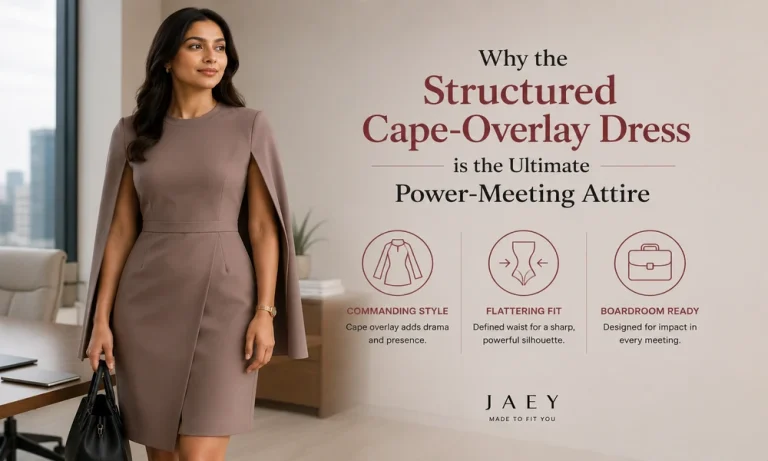
Key Takeaways: Standard corporate dresses often suffer from restrictive sleeves that hinder mobility during long presentations. The cape-overlay design solves this by providing a dramatic, authoritative silhouette that ensures complete arm freedom. While traditional law and finance may still lean toward the classic blazer, the cape dress is the superior choice for modern executive leadership and high-stakes client engagement.

A senior strategy lead from a top firm in Delhi recently visited our studio with a unique request. She needed an outfit that commanded the same presence as a suit but offered the effortless elegance of a dress. She explained that during high-pressure board meetings, she often felt physically constrained by tight-fitting blazers, yet she needed a layer that felt professional enough to walk into a client’s office and immediately project authority. She was looking for stylish formal wear women could use to bridge the gap between structural formality and executive ease.

The formal western dress for women has evolved significantly to meet these demands, and the cape-overlay dress is the pinnacle of this functional evolution. The cape provides the visual weight and structured shoulders of a blazer without the restrictive armhole mechanics that lead to bunching and overheating. It allows for a full range of motion-whether you are gesturing at a whiteboard or reaching for a file-while maintaining a sharp, clean-cut aesthetic.

The architectural success of the cape-overlay lies in the integration of the internal structure. We use a high-density poly-viscose blend that acts as a structural scaffold. The cape is carefully weighted so it hangs perfectly vertical, creating an elongated, commanding profile. This fabric is also highly resilient, meaning it effectively resists the deep-set creases that typically form across the lap when you are seated for hours. It remains as crisp at 5:00 PM as it was at 8:00 AM.

Why Executive Leaders Prefer the Cape Silhouette

In executive roles, the cape silhouette offers a distinct psychological advantage: it creates a sense of presence. It frames the body in a way that is inherently bold and intentional. Unlike a traditional blazer, which can sometimes feel like a concession to menswear-inspired tailoring, the cape-overlay is designed to celebrate a structured, feminine silhouette while maintaining the highest level of corporate formality. It is the definitive uniform for a leader who needs to be seen as both approachable and unshakeable.

Frequently Asked Questions

How do you style a cape dress for a high-stakes meeting? Keep the styling clean and deliberate. Pair it with sleek, pointed-toe heels and minimal jewelry-a pair of high-quality gold or silver studs works perfectly. The dress is the centerpiece of the outfit, so allow its architectural shape to speak for itself.

Is a cape dress appropriate for a conservative boardroom? Yes, it is highly professional, especially when chosen in a deep navy, charcoal, or classic black. The structured shoulders and modest neckline provide the same level of authority as a formal suit, making it a perfectly acceptable and sophisticated choice for any high-level corporate environment.

How do I ensure the cape stays perfectly aligned? The secret is in the garment’s internal construction. High-quality cape dresses include secure anchor points at the shoulder seam, ensuring the cape doesn’t shift or bunch when you move. When choosing a dress, look for this internal reinforcement to ensure the cape maintains its architectural shape throughout your entire workday.